


Definition
When two metal surfaces move against each other they create friction, heat and wear. Lubrication means placing a substance between those surfaces to reduce friction and keep the metal from rubbing directly. That substance is called a lubricant.
Inside an engine a lubricant does much more than make things slippery. It works like blood in the body: circulating through the machine, carrying heat away, carrying contaminants away, and revealing the condition of the engine through its own condition.

The six jobs of a lubricant
- Reduce friction and wearThe primary job — an oil film separates the metal surfaces so they do not grind each other away.
- CoolingCarries the heat generated by friction and combustion away from hot spots.
- CleaningCarries soot from incomplete combustion, metal particles and dust away from components and into the filter.
- Protection against rustCoats metal surfaces against oxygen, moisture and corrosive gases.
- SealingFills the gap between piston rings and cylinder wall so combustion pressure does not leak away.
- Spreading the loadDistributes concentrated loads evenly across the contact surface, extending component life.

Three lubrication regimes
The oil film between two surfaces is not always the same thickness. It falls into three regimes — which is exactly why engine oil needs additives rather than just base oil.
- Fluid-film lubricationThe film is thick enough to fully separate the surfaces. This is the ideal state, with almost no wear.
- Boundary lubricationThe film thins until the surfaces nearly touch — for example on a cold start or when oil is low. Additives that cling to the metal carry the load here.
- Extreme-pressure lubricationUnder very heavy loads or high temperatures the surfaces would weld and tear. EP additives react with the metal to form a protective film.
Composition and classification
A lubricant is mainly base oil plus additives. The quality of the base oil is the single biggest factor in the quality of the finished oil.

- Mineral oil — refined from crude. Paraffinic types have a higher viscosity index than naphthenic types, which is why they dominate engine oils.
- Synthetic oil — chemically built. Far better heat and oxidation resistance, lower volatility and longer service life.
- Fatty oil — from plants and animals, used in blends or specialised jobs such as cutting oils.
- Grease — oil held in a thickener so it stays put, used where the lubricant must not run away, such as wheel bearings.
Engine oil viscosity grades (SAE J300)
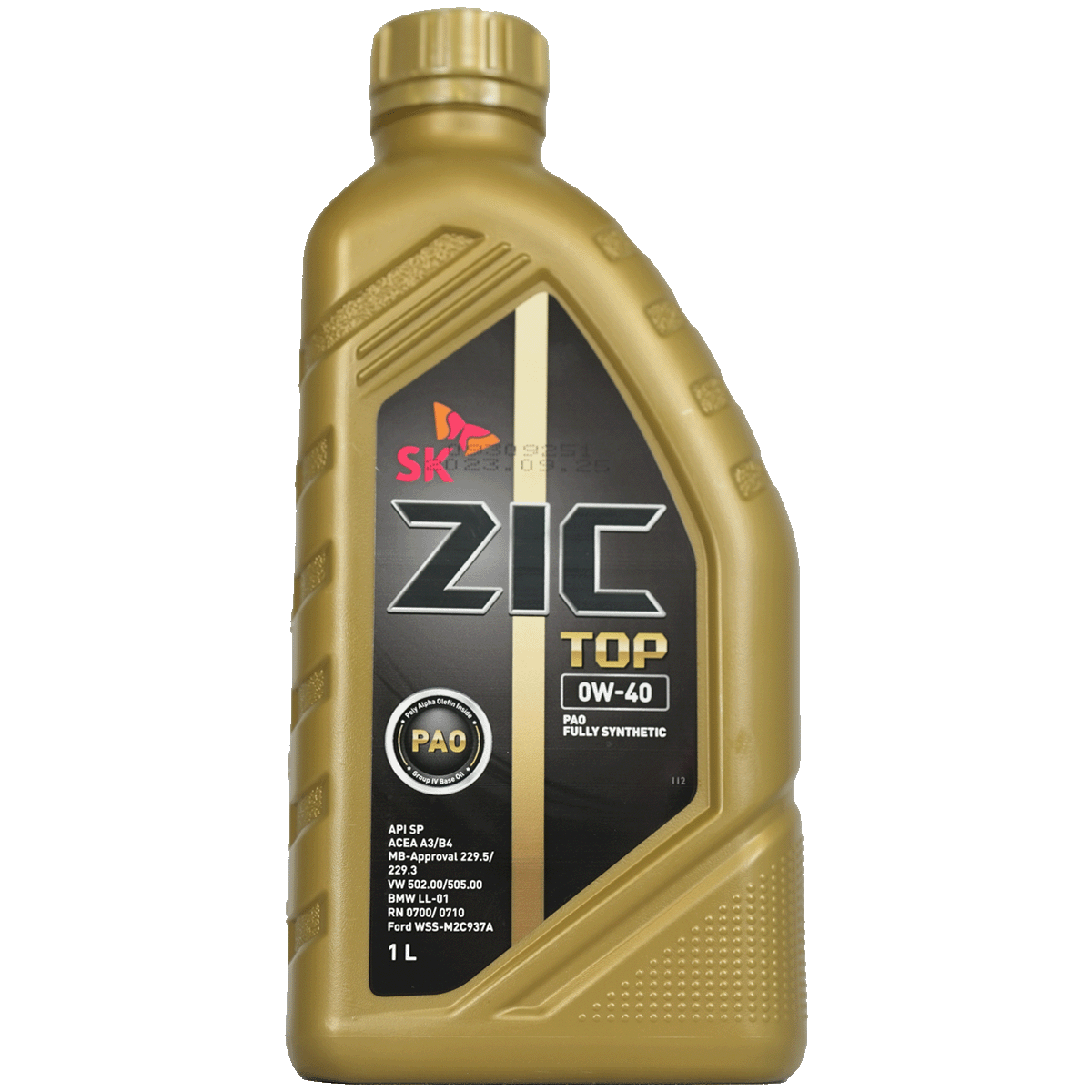
Grades such as 5W-30 come from SAE J300. The number before the W (Winter) describes cold-start flow — lower is better when starting. The number after it is the viscosity at the 100°C operating temperature.
| Grade | Cold cranking CCS (cP) | Pumping MRV (cP) | KV100 min (cSt) | KV100 max (cSt) | HTHS at 150°C min (cP) |
|---|---|---|---|---|---|
| 0W | 6,200 ที่ -35°C | 60,000 ที่ -40°C | 3.8 | — | — |
| 5W | 6,600 ที่ -30°C | 60,000 ที่ -35°C | 3.8 | — | — |
| 10W | 7,000 ที่ -25°C | 60,000 ที่ -30°C | 4.1 | — | — |
| 15W | 7,000 ที่ -20°C | 60,000 ที่ -25°C | 5.6 | — | — |
| 20W | 9,500 ที่ -15°C | 60,000 ที่ -20°C | 5.6 | — | — |
| 25W | 13,000 ที่ -10°C | 60,000 ที่ -15°C | 9.3 | — | — |
| 20 | — | — | 6.9 | น้อยกว่า 9.3 | 2.6 |
| 30 | — | — | 9.3 | น้อยกว่า 12.5 | 2.9 |
| 40 | — | — | 12.5 | น้อยกว่า 16.3 | 3.5 (0W-40, 5W-40, 10W-40) · 3.7 (15W-40, 20W-40, 25W-40) |
| 50 | — | — | 16.3 | น้อยกว่า 21.9 | 3.7 |
| 60 | — | — | 21.9 | น้อยกว่า 26.1 | 3.7 |

Industrial oil viscosity grades (ISO VG)
Hydraulic oils, industrial gear oils and some greases use the ISO VG system, based on viscosity at 40°C with a tolerance of ±10% around the mid-point.
| ISO VG | Mid-point at 40°C (cSt) | Minimum | Maximum |
|---|---|---|---|
| ISO VG 2 | 2.2 | 1.98 | 2.42 |
| ISO VG 3 | 3.2 | 2.88 | 3.52 |
| ISO VG 5 | 4.6 | 4.14 | 5.06 |
| ISO VG 7 | 6.8 | 6.12 | 7.48 |
| ISO VG 10 | 10 | 9.00 | 11.0 |
| ISO VG 15 | 15 | 13.5 | 16.5 |
| ISO VG 22 | 22 | 19.8 | 24.2 |
| ISO VG 32 | 32 | 28.8 | 35.2 |
| ISO VG 46 | 46 | 41.4 | 50.6 |
| ISO VG 68 | 68 | 61.2 | 74.8 |
| ISO VG 100 | 100 | 90.0 | 110 |
| ISO VG 150 | 150 | 135 | 165 |
| ISO VG 220 | 220 | 198 | 242 |
| ISO VG 320 | 320 | 288 | 352 |
| ISO VG 460 | 460 | 414 | 506 |
| ISO VG 680 | 680 | 612 | 748 |
| ISO VG 1000 | 1000 | 900 | 1100 |
| ISO VG 1500 | 1500 | 1350 | 1650 |
Specifications on the label
- API (USA) — petrol grades start with S (SN, SP); diesel grades start with C (CI-4, CK-4). The later the letter, the better the oxidation stability and protection.
- ILSAC (US/Japan) — GF-5, GF-6 and similar, adding fuel-economy requirements on top of API.
- ACEA (Europe) — A/B for passenger cars, C for vehicles with exhaust after-treatment (low SAPS), E for heavy-duty trucks.
- OEM approvals — MB 229.51, VW 504 00/507 00, Dexos, MAN M 3477, Volvo VDS-4 and others. Some vehicles require their maker’s own approval.

Where lubricants are heading
- Lower viscosity for fuel economyTightening fuel-economy rules push oils thinner — 0W-20, 0W-16 — while still having to hold the film together.
- Longer drain intervalsBetter base oils and additives resist oxidation and evaporation for longer.
- Compatibility with after-treatmentReducing SAPS (sulphated ash, phosphorus, sulphur) to extend the life of DPFs and catalysts.
